
Seasonal Market Trends in Indonesia: What to Watch For
Understanding Indonesia's Seasonal Market Trends
Indonesia, with its diverse geography and vibrant culture, presents a unique landscape for market trends that shift with the seasons. From agricultural cycles to consumer behavior, understanding these patterns is crucial for businesses aiming to thrive in this dynamic market.
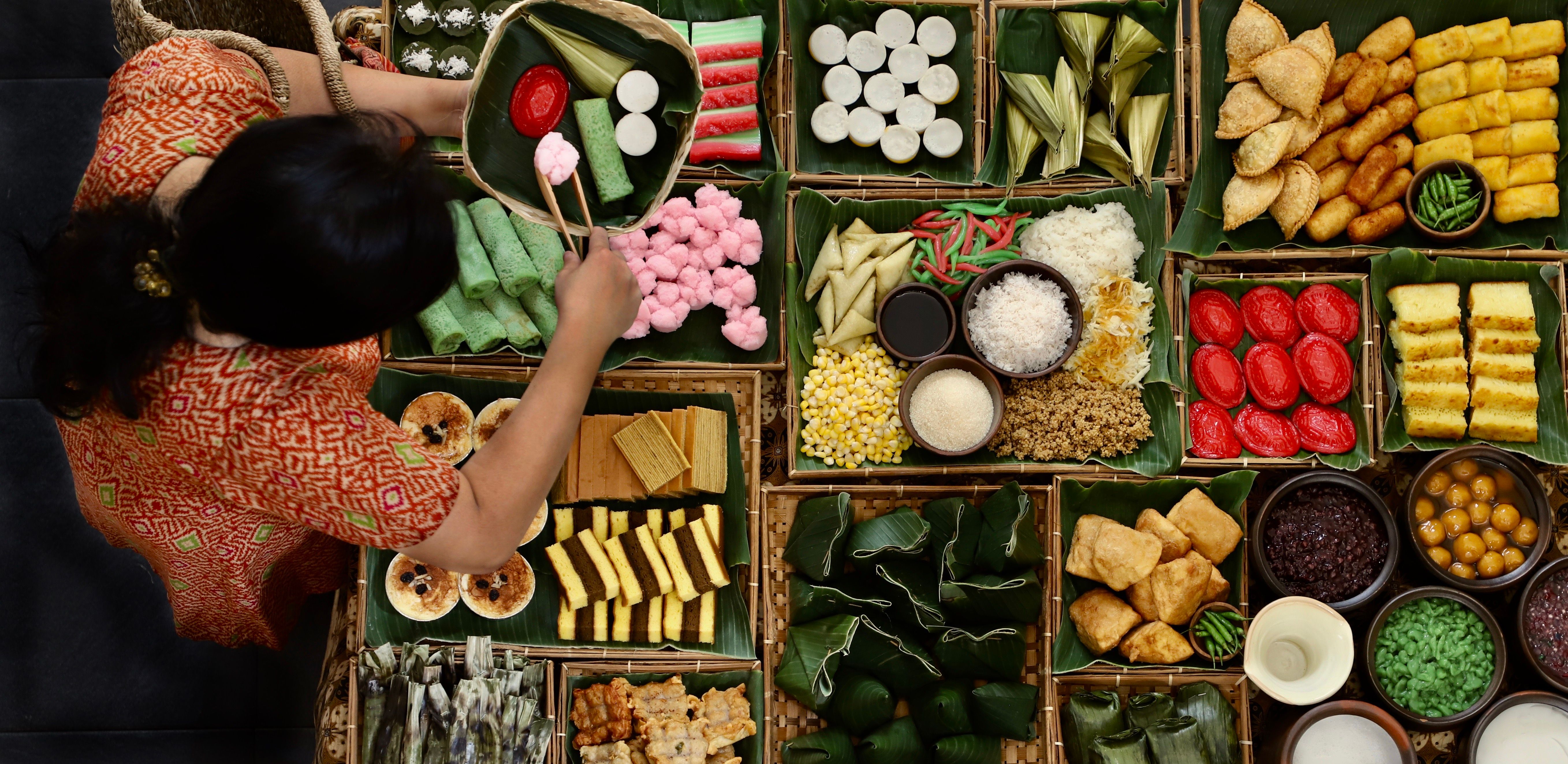
Agricultural Influences on the Market
Agriculture is a significant component of Indonesia's economy, and seasonal changes heavily influence market trends. The wet and dry seasons determine the availability and pricing of various crops. For instance, the rice harvest typically peaks during the dry season, affecting both local consumption and export prices.
For businesses dealing with agricultural products, aligning strategies with these cycles can lead to better inventory management and pricing strategies. Staying informed about weather predictions and crop yields is essential for anticipating market shifts.
Consumer Behavior During Festive Seasons
Indonesia's rich cultural tapestry includes numerous festivals and religious events that significantly impact consumer spending. Ramadan and the subsequent Eid celebrations, for example, see a surge in spending on food, clothing, and gifts. Businesses can capitalize on these trends by launching targeted promotions and expanding product offerings.

Tourism's Role in Seasonal Trends
The tourism industry in Indonesia experiences seasonal fluctuations, with peak tourist arrivals during the dry season from May to September. This influx boosts demand for hospitality services, local crafts, and culinary experiences. Companies in the tourism sector should prepare for these peak periods by enhancing services and marketing efforts.
Conversely, the rainy season sees a decline in tourist numbers, prompting businesses to innovate with offers and packages to attract visitors during off-peak times.
Retail and E-commerce Trends
The rise of e-commerce in Indonesia has introduced new dimensions to seasonal market trends. Online shopping festivals, such as 11.11 and 12.12, are increasingly popular, driving significant sales spikes. Retailers should optimize their digital presence and logistics to handle increased demand during these events.

Adapting Strategies for Success
To effectively navigate Indonesia's seasonal market trends, businesses must adopt flexible and responsive strategies. This includes maintaining robust supply chains, leveraging data analytics for trend prediction, and staying culturally attuned to consumer needs.
By embracing these approaches, companies can not only survive but thrive in Indonesia's dynamic market environment, turning seasonal challenges into opportunities for growth.