
Top Challenges in Indonesian Market Research and How to Overcome Them
Understanding the Complex Market Landscape
The Indonesian market is one of the most diverse and dynamic in Southeast Asia. With its vast archipelago and more than 17,000 islands, understanding the local market nuances poses a significant challenge. The cultural diversity and varying consumer behaviors across regions require tailored research approaches. Successfully navigating this complexity involves adopting a localized strategy that considers regional preferences and lifestyles.

Businesses must invest in region-specific studies to gather accurate insights. Collaborating with local experts who understand the cultural subtleties can provide invaluable context and enhance data accuracy. Additionally, employing advanced technology and analytics can help in aggregating and interpreting data effectively, ensuring a holistic view of consumer behavior.
Dealing with Data Collection Challenges
Data collection in Indonesia can be difficult due to geographical and infrastructural hurdles. Many areas are remote, making it hard to gather representative samples. Furthermore, the rapid urbanization and digital transformation add layers of complexity to traditional data collection methods.
To overcome these challenges, leveraging digital tools is essential. Online surveys, social media analytics, and mobile data collection can bridge the gap where traditional methods fall short. Ensuring that these tools are accessible and user-friendly will enhance participation rates and data reliability.
Navigating Regulatory and Ethical Standards
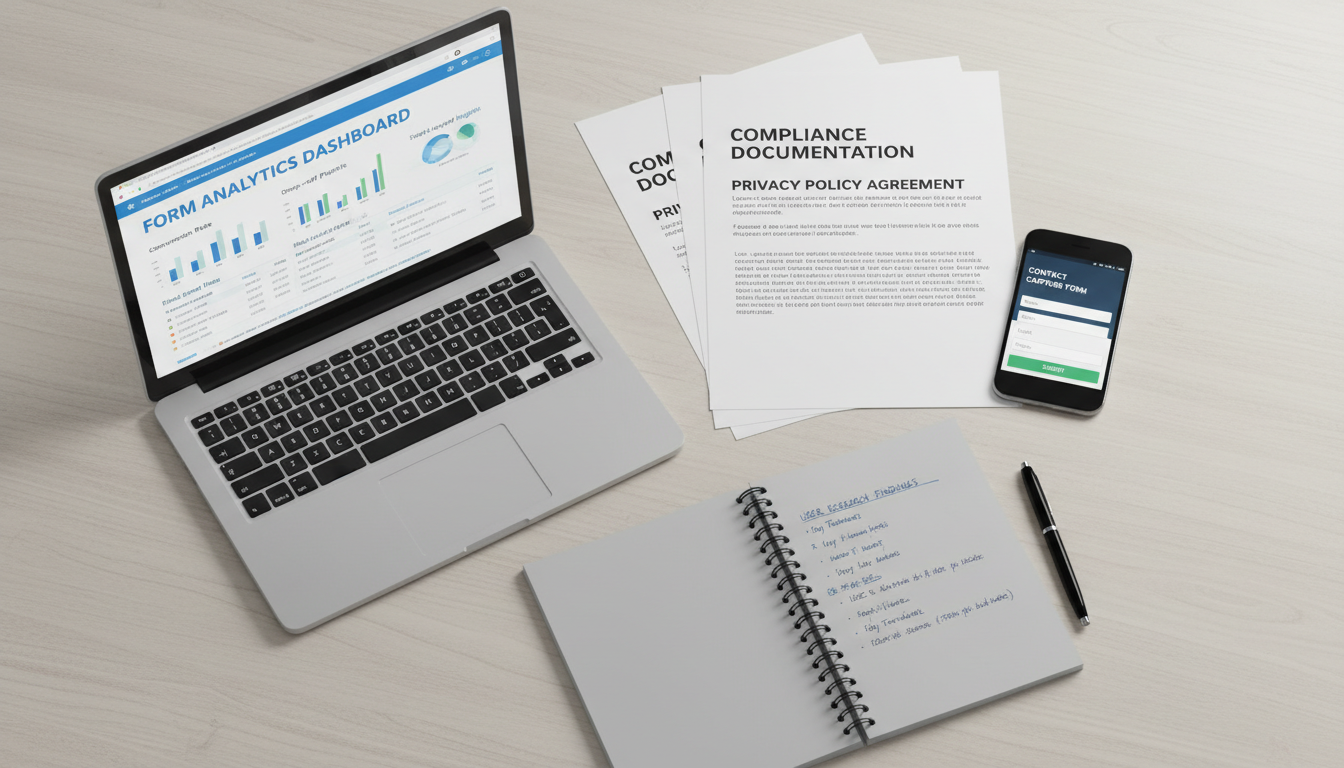
Indonesia's regulatory environment can be intricate, with regulations that vary significantly across sectors. Compliance with local laws and ethical standards is crucial for conducting market research. Businesses must stay informed about the legal requirements and ensure that their research practices are transparent and ethical.
Building a strong relationship with local regulatory bodies can facilitate smoother operations. Regular training sessions on compliance and ethics for research teams can also mitigate risks associated with regulatory breaches.
Overcoming Language and Communication Barriers
The linguistic diversity in Indonesia can pose a significant barrier in market research. With over 700 languages spoken, effective communication is key to obtaining accurate data. Standardizing language use while respecting local dialects is a delicate balance that researchers must achieve.

Employing multilingual researchers or using professional translation services can enhance communication. Additionally, ensuring that research materials are culturally sensitive and contextually relevant will improve participant engagement and data quality.
Utilizing Technology to Enhance Research Quality
Technology is a driving force in overcoming many of the challenges faced in Indonesian market research. From AI-driven analytics to mobile data collection, technology provides innovative solutions that enhance efficiency and accuracy. Implementing the right technological tools can transform challenges into opportunities for deeper insights.
Investing in technology not only streamlines data collection and analysis but also allows for real-time insights and adaptive strategies. Keeping abreast of technological advancements and integrating them into research methodologies is crucial for staying competitive in this vibrant market.